Modernism
Disillusionment, fragmentation, isolation – a world where only art can save us
Wounded Soldier (1916) Otto Dix
Gee! But I Hate To Go Home Alone
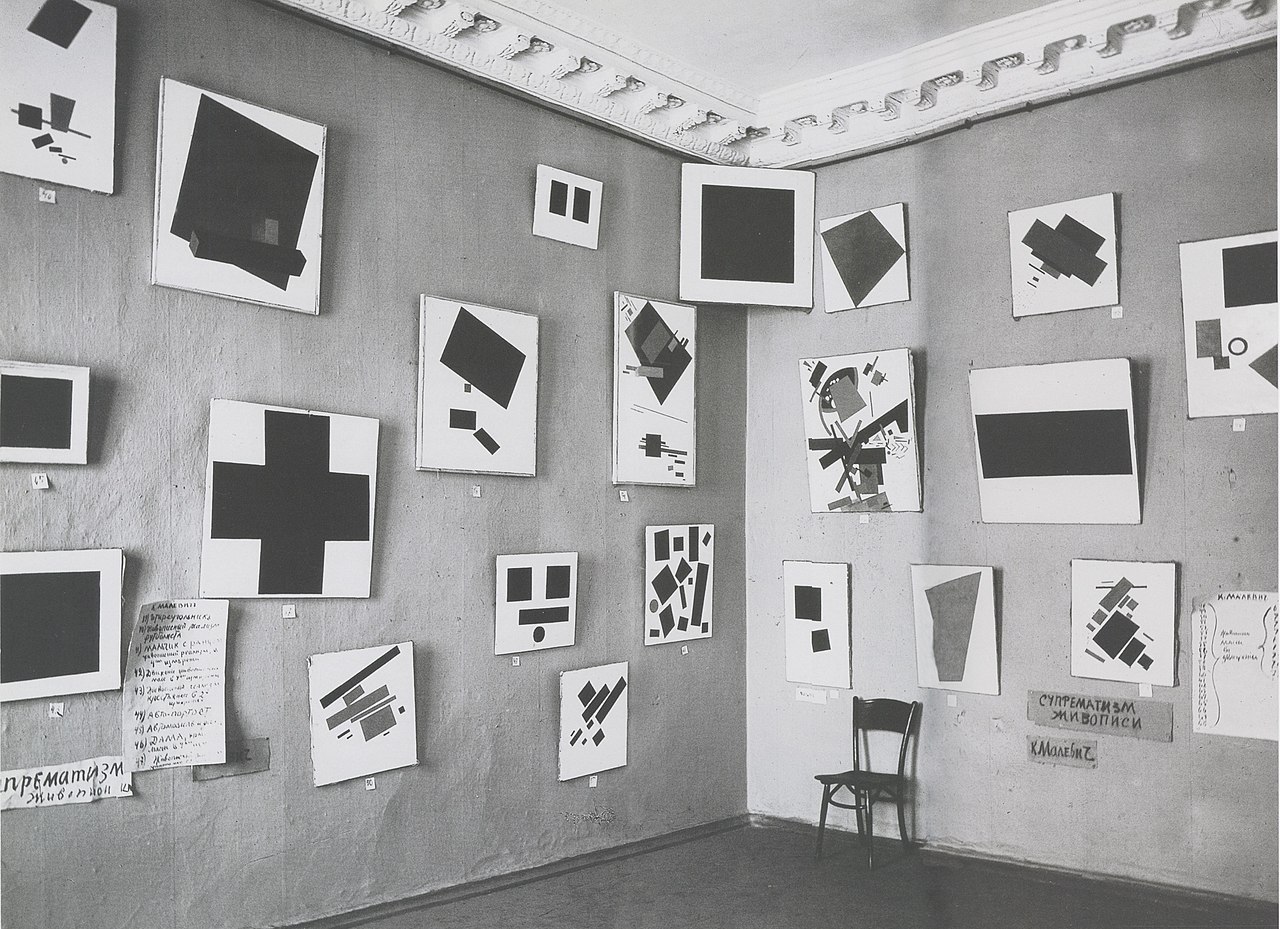
Emerging out of the ashes of the Great War, Modernism brought forth a distinct change in thought and approach in art. Revolutionary theories surfaced: Nietzsche’s ideas on ethics as social constructions, Marxism and sign-exchange theory as well as the exploitative nature of the ruling social classes, Freudian psychoanalysis experimented with the different levels of consciousness and ego distilled humans to their fixations,
The Great Depression
The Great Depression stunted the potential for success of many Modernist writers. Undeniably, ideas of a cohesive self during the Great Depression declined as well, wherein fragmentation, isolation, and self-consciousness reigned.
The Jazz Age and the Harlem Renaissance
An increase in demand for factory workers and a lower number of European immigrants led to the “great migration” of African Americans to urban communities in Northern and Western United States (Belasco 1489.) This sparked the onset of the Harlem Renaissance and the Jazz Age, when African American artists changed the artistic character of America. People began taking interest in their art, but strictly for entertainment, as civil rights had a couple more decades until it made a more meaningful impact on African American liberties.
If feeling disillusioned, slide through the Rorschach blots below


They cannot scare me with their empty spaces
Between stars – on stars where no human race is.
I have it in me so much nearer home
To scare myself with my own desert places.
(Belasco 1564)
Then leaf subsides to leaf,
So Eden sank to grief,
So dawn goes down to day.
Nothing gold can stay.
(Belasco 1563)

Robert Frost
Robert Frost didn’t quite fit in any of the sub-movements of Modernism, as he was less experimental than many Modernists, though he “found an old way to be new.” Frost’s poems focused on the natural world which he uses to illustrate the unfulfillment and inner desolation of being human (Norton). The self in Modernism was certainly not in one place. However, the many facets of the movement shared a self-conscious and disillusioned self, apparently aware that they’re headed towards destruction.