Realism
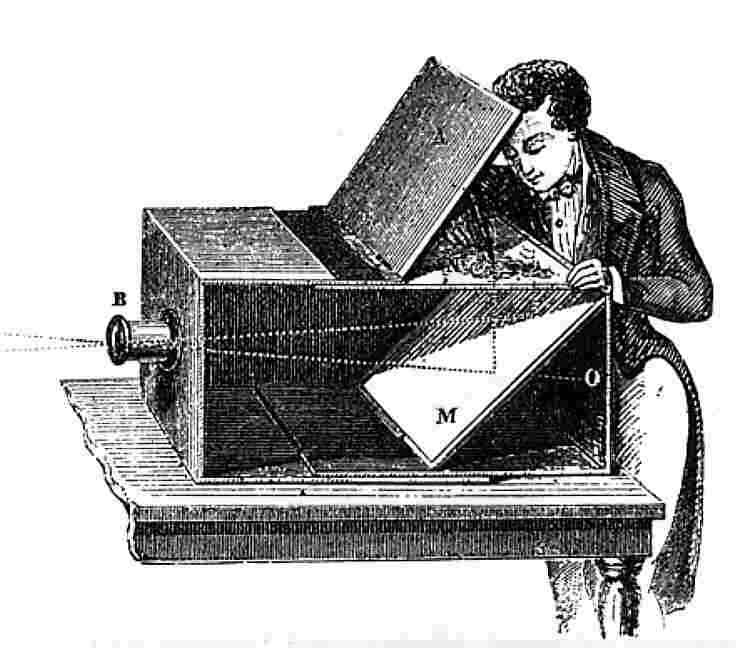
The Romantic and Transcendental self had to come to an end with the American Civil War. And, around that time, came the development of photography. This new medium inspired artists to capture the mechanisms of real, daily life. Realism sought the objectivity of the photograph, but despite the attempt, subjectivity remains nestled at its core (Norton).
Naturalism
Naturalism emphasized and applied Darwinism and the idea that hereditary traits and culture determine the outcome of an individual. Similar to Puritanical predestination, but the predetermining factor is science. Nature is merciless, and people remain helpless victims of circumstance.
Regionalism and Local Color
Regionalism remained confined to Midwestern authors, who addressed the adversities of their environments. Similarly, Local color fiction focuses on small and rural America’s customs, dialect, and folklore.
A Snapshot of Realism: Charles W. Chesnutt
Charles Chesnutt, a man of mixed racial heritage from America’s rural south, was the first African American to write about the racial experience of passing amid the complex racial dynamics in North America. His first story, “The Goophered Grapevine,” was published by Atlantic Monthly – their first story by an African American – though, at the time, they were unaware (Belasco 1274). His story “The Wife of His Youth” examines the white supremacy in the foundations of America, and how it can exist in group dynamics of non-white people. A man of a “Blue Vein Society” publicly comes to terms with and accepts the darker-skinned, and older wife of his youth. Though, it’s uncertain whether this revelation is more for his benefit than hers, and whether he still accepts her as his current wife, which reveals the especially corrupting influence of whiteness within mixed communities.
The self that is present in Chesnutt’s “The Wife of His Youth” remains deeply afflicted by racialization, even when seemingly accepting of his past. Other works of American realism provide the realities or perceptions of their authors. The depicted dark or bleak realities are simply projections of what the authors view as real.
Chesnutt’s stories show the potential fiction has in shifting prejudiced perspectives. But, still, realism’s stereotypes and discrimination persisted in American literature. His works criticizing America’s racial caste system fell under intense public scrutiny, which led to Chesnutt’s publishers rejecting him, which ended his career in writing fiction after his last novel, The Colonel’s Dream.